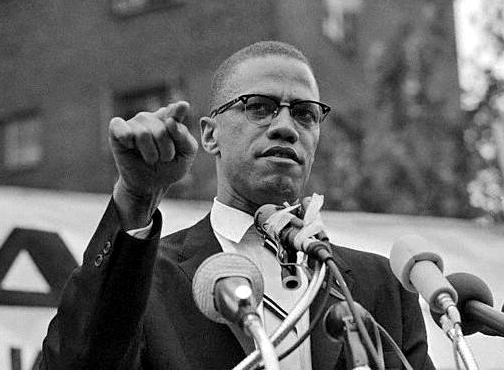
Lee Sustar Moving toward revolution Malcolm X's energetic proselytizing increased the size of the Nation of Islam--but it also turned Malcolm into a political leader. February 23, 2015
Lee Sustar Malcolm X: A revolutionary life Fifty years after his murder, SW's multi-part series starts with a looks at the world that shaped one of the 20th century's most important revolutionaries. February 20, 2015
Jen Roesch and Sharon Smith The future of the left after the Great Recession Only a struggle from below can confront and reverse the neoliberal policies that caused the 2008 global financial meltdown. February 10, 2015
Leon Trotsky Freedom of the press and the working class In an article written in 1938, Leon Trotsky argued for the importance of socialists championing democratic rights. January 29, 2015
Lance Selfa Is Marxism Eurocentric? Critics of Marx's "Eurocentrism" build their case on a small sample of writings--but ignore the larger body of work that refutes their claims. January 22, 2015
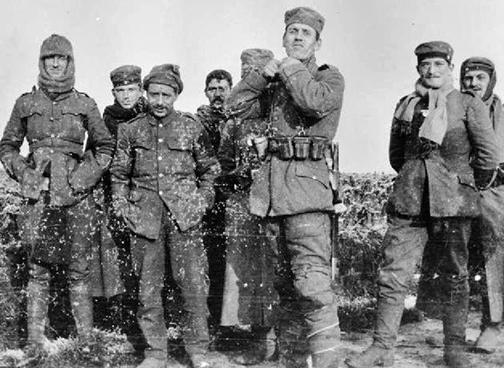
Rory Fanning When soldiers declared peace on earth One hundred years ago, soldiers on opposing sides in the First World War showed the power that people without rank and privilege possess. December 18, 2014
Paul D’Amato A world of possibilities unleashed In the caricature of a socialist society, everybody is forced to act alike--but the real socialist vision is exactly the opposite. December 17, 2014
Paul D’Amato The disappearing working class? The weakened condition of the working class movement shouldn't be chalked up to a change that has rendered it powerless. December 16, 2014
Paul D’Amato Are U.S. workers bought off? The ferocity of the ruling class offensive has undermined the claim that workers do well enough to stop them from rebelling. December 15, 2014
Paul D’Amato Is a revolution possible in the U.S.? Many objections to socialism rest on the belief that U.S. society is exceptional in being resistant to radical change. December 11, 2014
Paul D’Amato Democracy and revolution The critics of Marxism point to the former USSR in claiming that socialism would just put a new set of rulers in power. December 10, 2014
Paul D’Amato Will a socialist society work? Many people believe that capitalism, despite its inequalities, is at least more efficient and less bureaucratic than socialism. December 9, 2014
Paul D’Amato Can workers run the world? One of the most common arguments against the possibility of socialism is that human beings are naturally competitive. December 8, 2014
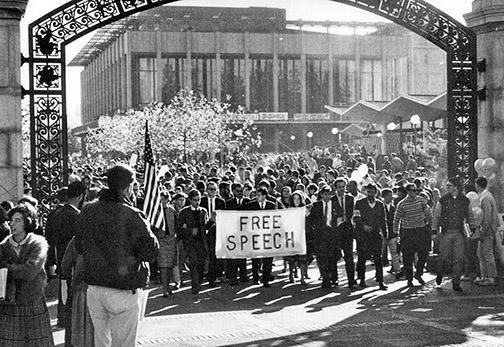
Interview: Joel Geier The 1960s generation turns left The example of the Berkeley Free Speech Movement gave students a new sense of courage and confidence in struggle. December 3, 2014
Interview: Joel Geier The spark that lit the 1960s campus revolt A participant in the Free Speech Movement at UC Berkeley 50 years ago explains why the struggle had a galvanizing impact on a generation. December 2, 2014
John Riddell Liebknecht’s historic appeal against world war A German revolutionary's stand 100 years ago resounded across Europe and gave new impetus to socialist antiwar currents. December 2, 2014
Dan Russell and Nicole Colson Putting their “bodies on the gears” The Free Speech Movement at UC Berkeley 50 years ago was the first great struggle of the campus revolts of the 1960s. December 1, 2014
Caroline Gonzales and Brian Ward The real Thanksgiving story The time-worn tale of Pilgrims and Indians happily sharing a meal covers up a legacy of land theft and genocide. November 26, 2014
Sharon Smith The politics of privilege-checking The practice of calling out "privilege" is widespread among young activists--but does it contribute to building stronger movements for change? November 18, 2014
Bob Simpson A woman of steel Alice Peurala left an impressive legacy as a fighter for workers' rights and women's rights inside the labor movement. November 18, 2014