Albert Rhys Williams Comrades of the sea A journalist in revolutionary Russia in 1917 describes his encounters sailors who were part of the struggle to make the world anew. September 27, 2017
Ronnie Almonte James Baldwin’s journey "Nothing can be changed until it is faced," wrote James Baldwin, and a new generation is learning from him about the challenges we face today. September 21, 2017
Todd Chretien Raising the red lantern In his history of the Russian Revolution, October, China Miéville brings together Marxist history and inspired literary writing. September 18, 2017
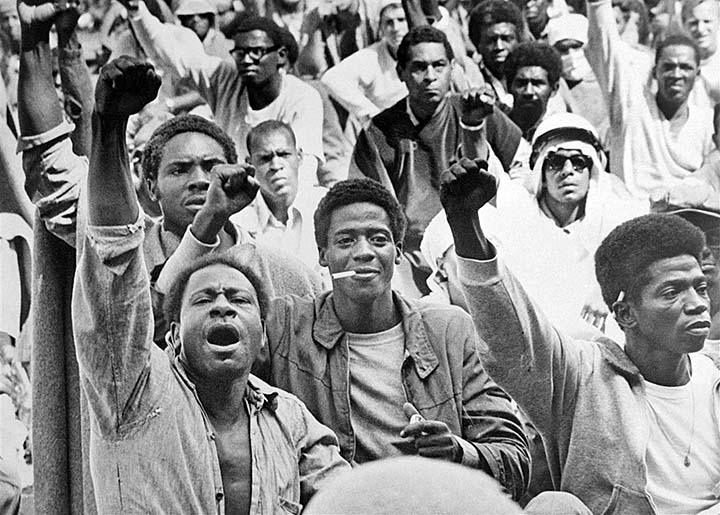
Luke Pickrell The fury of the oppressed at Attica In 1971, prisoners at Attica came together in a revolt against atrocious conditions and oppression felt inside and outside prison. September 8, 2017
Albert Rhys Williams The soldiers in revolt A witness to the Russian Revolution learns about the grim toll of the First World War and the spreading revolt in the Tsar's armies. August 30, 2017
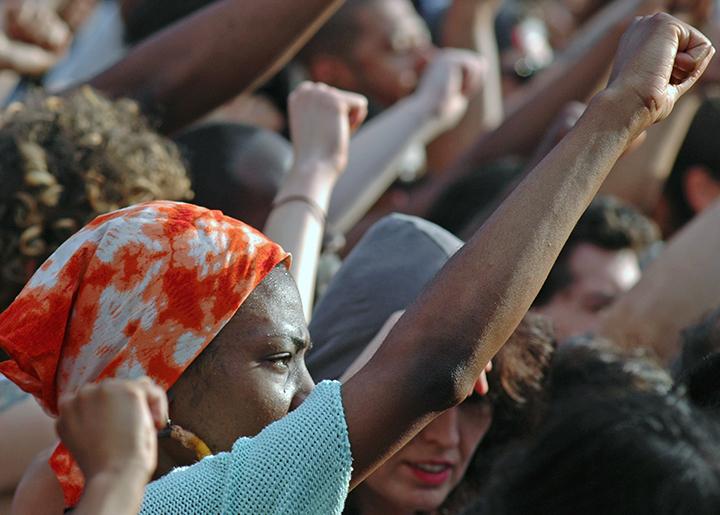
David Camfield When a “universal” approach narrows the fight Too many supporters of "universalist" class politics argue as if working-class struggle is separate from struggles against oppression. August 14, 2017
Albert Rhys Williams On the left sat the Bolsheviks An eyewitness to the Russian Revolution describes how the Petrograd of the workers developed a different attitude to Bolshevism. August 8, 2017
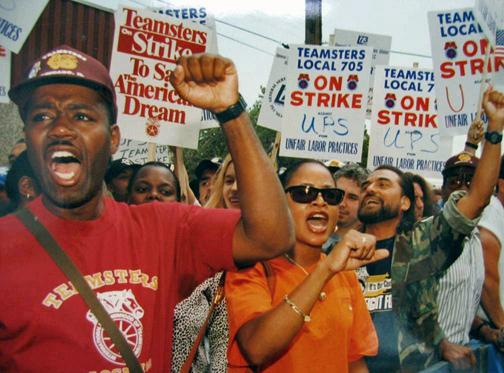
Lee Sustar When we beat the bosses The 1997 UPS strike that began 20 years ago showed that workers have the power to beat a corporate giant--and that labor's decline isn't inevitable. August 4, 2017
Bill Keach What kind of party does the working class need? Workers need a political party to represent them and advocate for their interests. But how should it be organized and what should it be working toward? August 3, 2017
Sharon Smith A Marxist case for intersectionality Intersectionality is defined in very different ways, but the concept as developed by Black feminists can help advance Marxist theory and practice. August 1, 2017
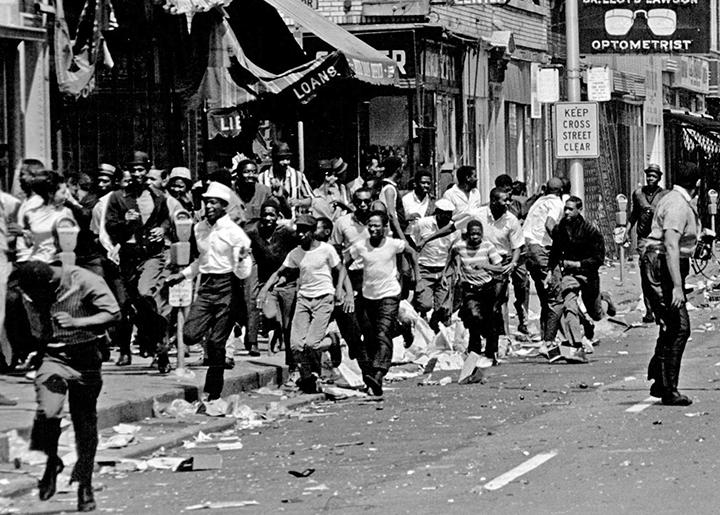
Interview: Dan Georgakas Detroit’s Great Rebellion of 1967 On the 50th anniversary of an urban revolt in the heart of American capitalism at the time, SW interviewed the co-author of Detroit: I Do Mind Dying. July 24, 2017
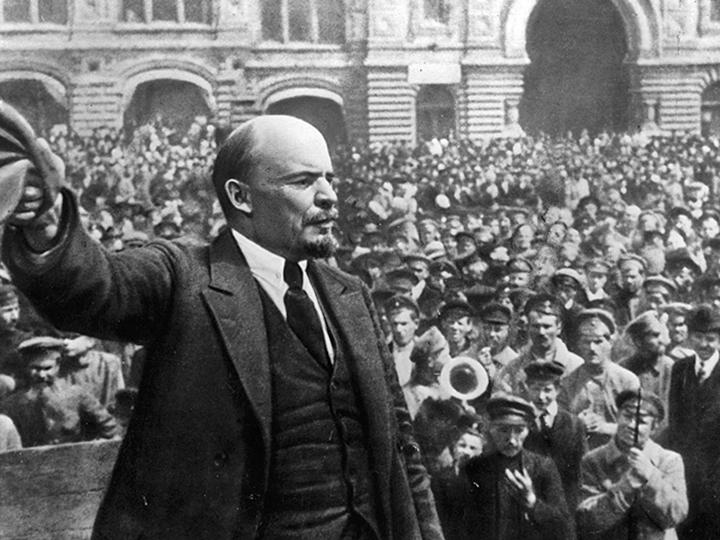
Paul Le Blanc Seeing all the faces of the Russian Revolution A new book about the Russian Revolution distinguishes itself by capturing the complexity of social groups in motion. July 20, 2017
Statement The Bolsheviks retreat in order to advance The Bolsheviks' response to repression after the July Days uprising was to avoid provocations and prepare for future struggle. July 19, 2017
Sean Larson The rise and fall of the Second International On July 14, 1889, the Second International was born with the aim of uniting the workers of the world. What happened to that dream? July 18, 2017
Statement Responses to the July Days uprising Two appeals from 100 years ago show the deepening conflict among Russian socialists as a new struggle for power took place. July 17, 2017
Kevin Gosztola Celebrating Combahee’s 40th birthday A panel discussion at Socialism 2017 looked at the groundbreaking contribution of the Combahee River Collective to the struggle. July 14, 2017
Alan Maass Why Socialism was a big deal Some 2,000 people packed into a Chicago convention center for the four days of discussion and debate at Socialism 2017. July 12, 2017
Todd Chretien Which train goes to socialism? Jacobin's Bhaskar Sunkara proposes that the future of the left may lie with a return to Finland Station, circa 1917. But how are we going to get there? July 4, 2017
From the archive Your Socialism 2017 cheat sheet If you're trying to squeeze in some reading before Socialism 2017 next weekend, here's an SW gamers' guide to the conference so you can level up. June 30, 2017
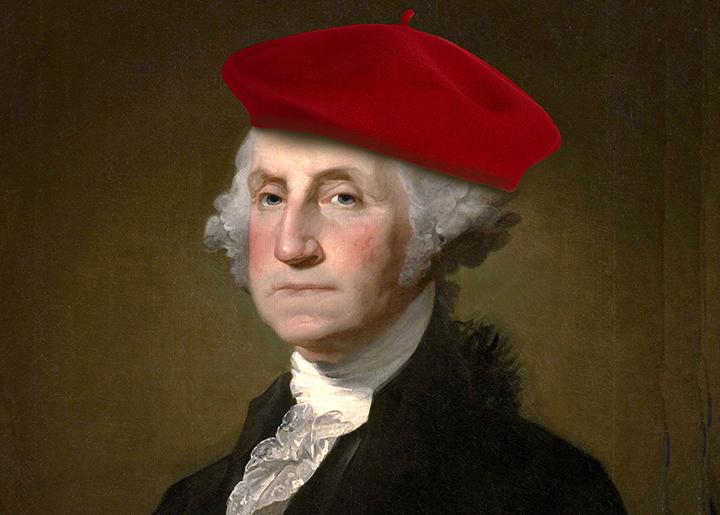
Paul Le Blanc Was George Washington a French agent? A historian of the Russian Revolution looks at recently recycled allegations that Lenin was a German agent--and considers how the charge would fit in 1776. June 27, 2017