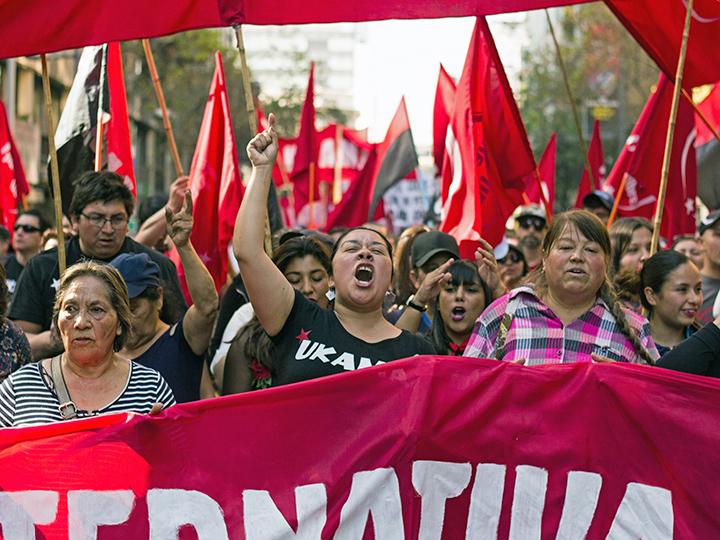
Todd Chretien 1968: The massacre in Tlatelolco Fifty years ago, Mexican government troops attacked striking students, committing a massacre that haunts the country to this day. October 2, 2018
Todd Chretien What kind of party for the new socialist movement? The new surge of interest in socialism is reviving old discussions that shape how different socialist trends conceive of political organization. September 28, 2018
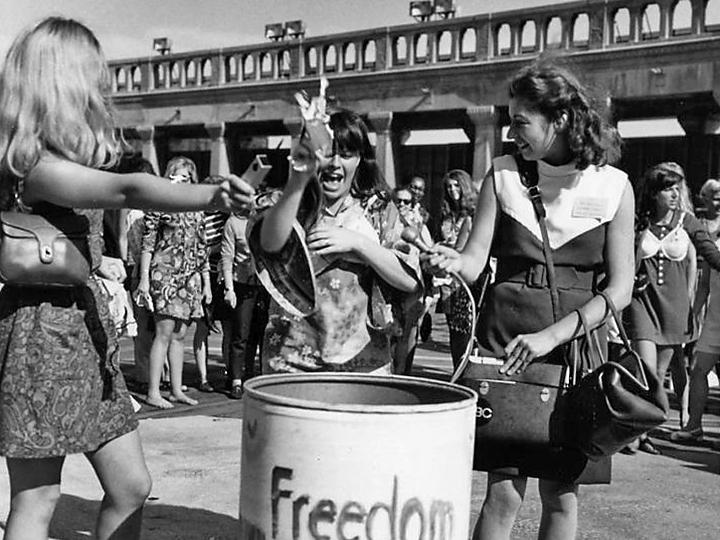
Elizabeth Schulte 1968: Women’s liberation takes the stage Protests at the 1968 Miss America pageant 50 years ago were, for many people, a bold debut of a new women’s liberation movement. September 14, 2018
Adam Sanchez Black Power during the other ’68 The achievements of the Black freedom struggle during Reconstruction after the Civil War inspired others to fight their oppression. August 30, 2018
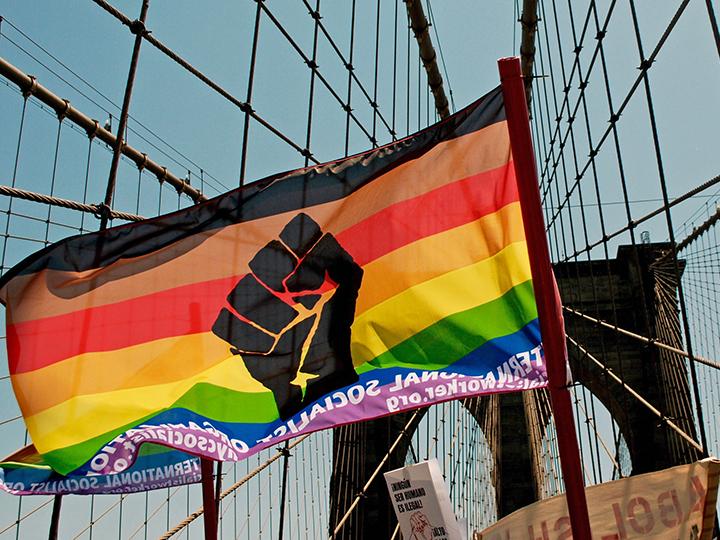
Todd Chretien What do socialists mean by socialism? The new socialist movement in the U.S. is regularly pissing off the likes of Fox News. So what do socialists stand for and how do we get there? August 28, 2018
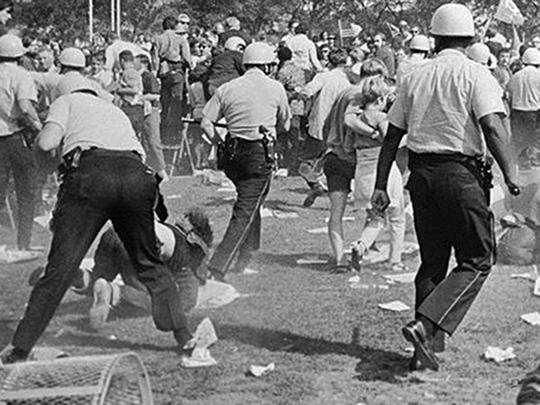
Lance Selfa 1968: A war on dissent in the streets of Chicago Fifty years ago, the Democrats were nominating a pro-war presidential candidate—while Chicago police declared war on antiwar protesters. August 27, 2018
Kim Bullimore The story of the “forgotten war” in Korea Though it is barely remembered in the U.S. today, the Korean War in the early 1950s killed millions and left a legacy of violence. August 22, 2018
Luke Pickrell The murder of a Soledad Brother Black Panther and revolutionary prisoner George Jackson continues to inspire nearly 50 years after his murder in prison. August 21, 2018
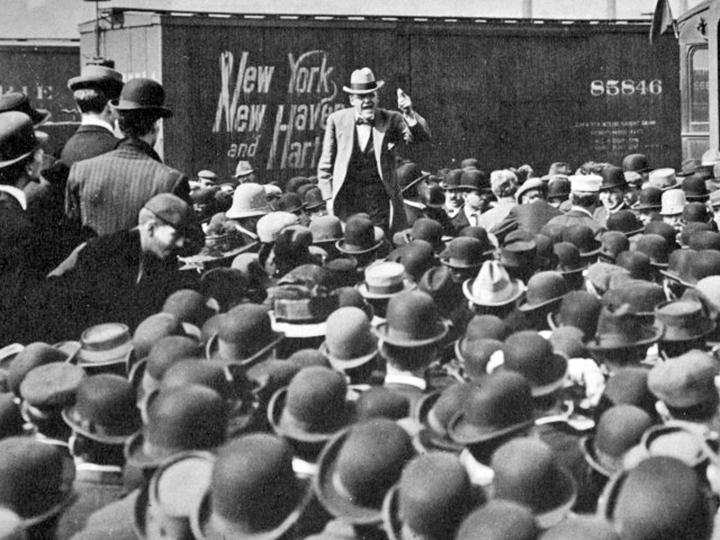
Elizabeth Schulte Socialism on the campaign trail The five presidential campaigns of Eugene V. Debs provide inspiring examples of what he thought a socialist election campaign should be. August 9, 2018
Todd Chretien Getting organized for a socialist future If capitalism is a system presided over by a ruling class, then our side needs an organized and systematic alternative to turn the world right-side up. July 4, 2018
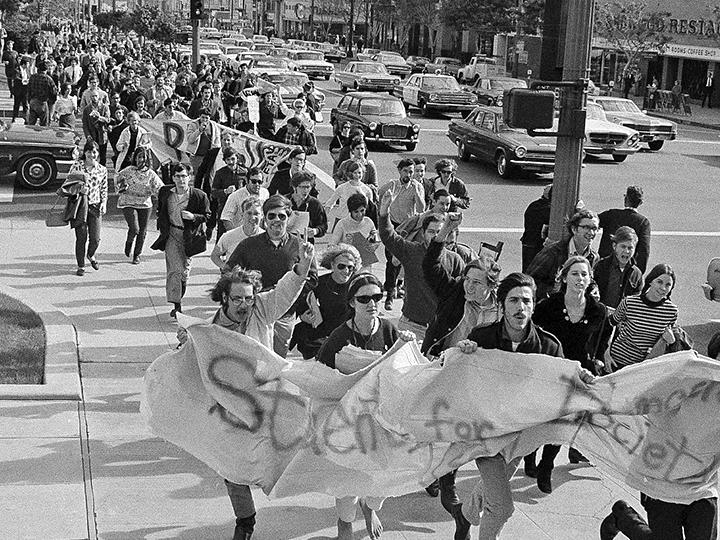
Geoff Bailey 1968: SDS and the revolt of the campuses The story of Students for a Democratic Society includes some of the high points of the era — and many of the challenges that faced the new left. July 3, 2018
Marlene Martin The speech that made Debs Convict No. 9653 One hundred years ago, Eugene V. Debs gave one of the most famous speeches in the history of the socialist tradition, opposing war and capitalism. June 15, 2018
Tom Twiss A speech that resonates 100 years later Socialists and activists are planning a celebration of the 100th anniversary of Eugene V. Debs’ antiwar speech in Canton, Ohio. June 4, 2018
Brian Jones Socialism’s forgotten roots in Black America A new collection divulges a treasure trove of anti-racist writings from the American socialist movement of the early 20th century. May 30, 2018
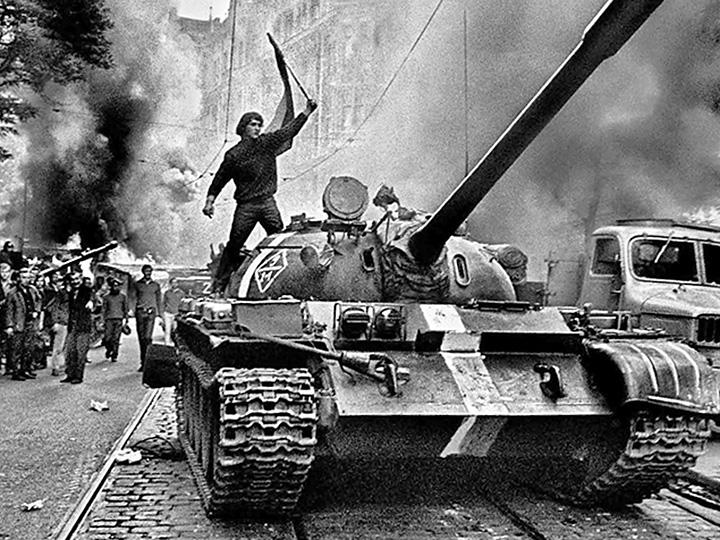
Phil Gasper 1968: A revolt blooms behind the “Iron Curtain” The Prague Spring uprising in so-called “socialist” Czechoslovakia showed that the 1968 spirit of revolt had crossed the divide between East and West. May 23, 2018
Mick Armstrong Massacres under an apartheid state Israel, like South Africa, is a racist apartheid state, so its latest massacre of Palestinians is an echo of South Africa’s own past. May 22, 2018
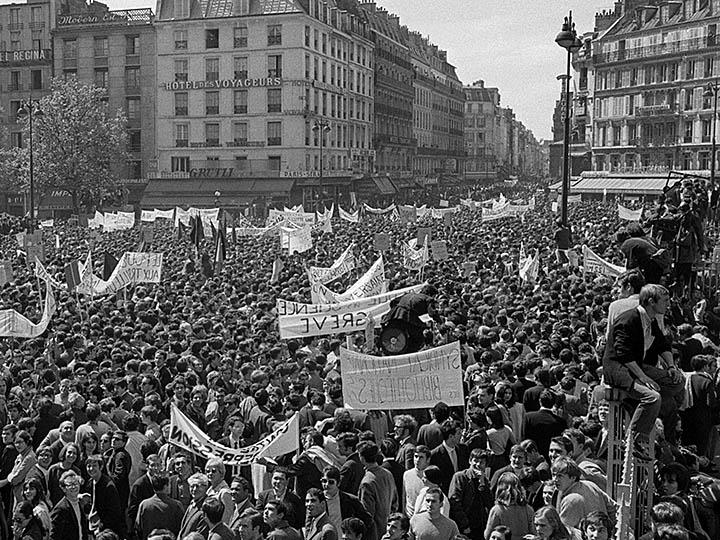
Comment 1968: Revolution reaches the heart of Europe The uprising of workers in France during May 1968 produced the largest general strike in history, with 9 million workers occupying their workplaces. May 10, 2018
Pranav Jani What the Indian rebels taught Karl Marx Marx's writings on India were sometimes badly mistaken, but his focus on struggle eventually got him on the right track. May 9, 2018
Daniel Taylor The fraud of Stalinism The reign of Stalin in Russia and the parties that followed his dictates have nothing to do with the vision of an emancipated society. May 7, 2018
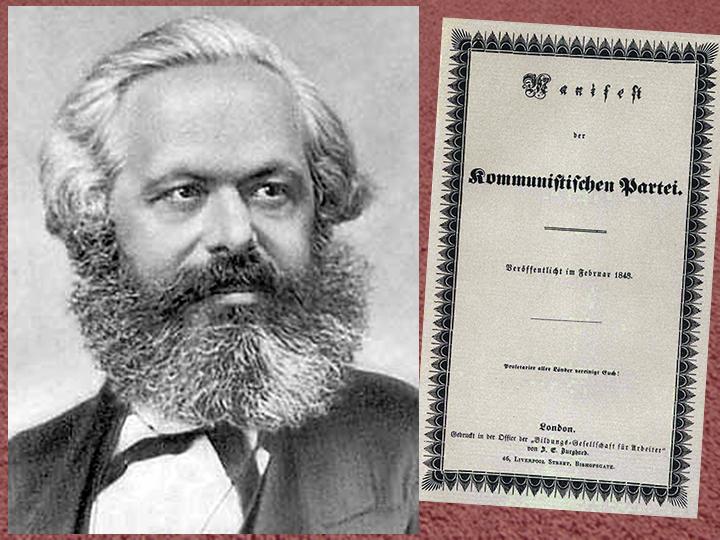
Todd Chretien How Marx became a Marxist in five easy steps ...And you can to! Here's an introduction to the theoretical leaps Karl Marx made on his way to developing a theory and vision that changed the world. May 4, 2018