Joel Sronce When civil rights and labor struggles met at UNC Fifty years ago today, University of North Carolina food workers began a fight for a living wage and dignity that continues to this day. February 23, 2019
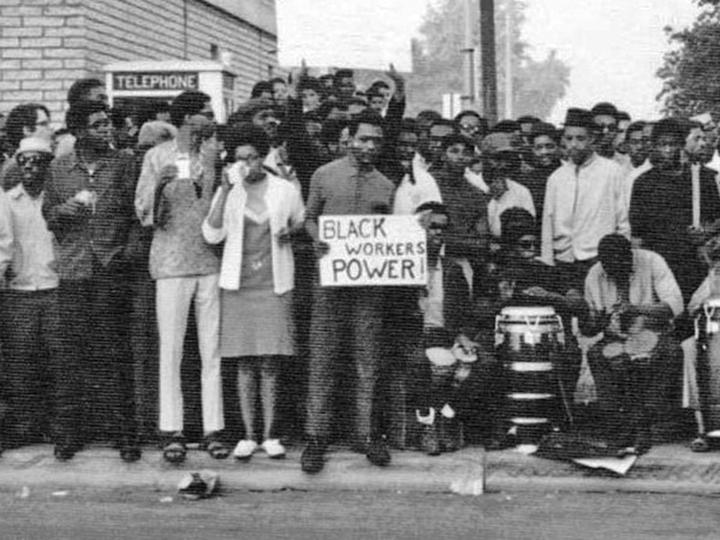
Khury Petersen-Smith DRUM and the revolt of the Black working class Fifty years ago, the Dodge Revolutionary Union Movement set an inspiring example of both workers’ resistance and Black Power. February 8, 2019
Ann Coleman The roots of affirmative action lie in the struggle Affirmative action policies are the product of struggles from below demanding measurable action to remedy a history of oppression. December 17, 2018
Interview: Jason Ferreira 1968: The strike at San Francisco State Fifty years ago, students at San Francisco State were fighting racism and repression during the longest student strike in U.S. history. December 13, 2018
Marc Pessin The picket line that it was right to cross On the anniversary of an infamous teachers strike against Black community control in New York, an ex-teacher tells his defiant story. November 21, 2018
Adam Sanchez Black Power during the other ’68 The achievements of the Black freedom struggle during Reconstruction after the Civil War inspired others to fight their oppression. August 30, 2018
Luke Pickrell The murder of a Soledad Brother Black Panther and revolutionary prisoner George Jackson continues to inspire nearly 50 years after his murder in prison. August 21, 2018
Brian Jones Socialism’s forgotten roots in Black America A new collection divulges a treasure trove of anti-racist writings from the American socialist movement of the early 20th century. May 30, 2018
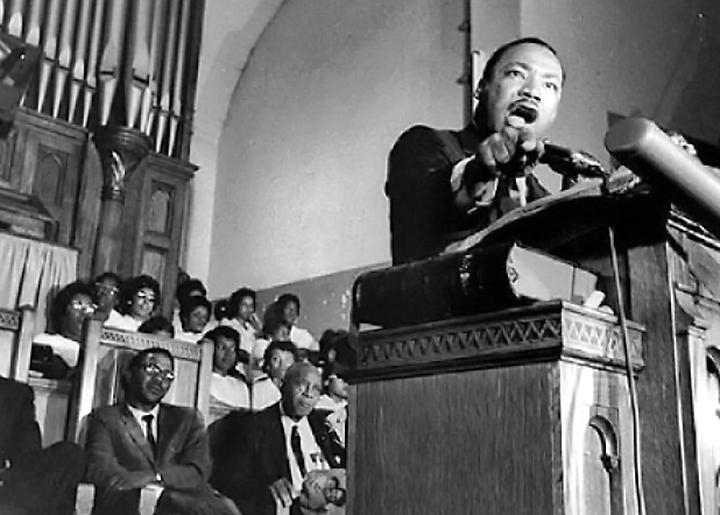
Khury Petersen-Smith 1968: When King’s murder set off the uprisings If the year 1968 marked a turning point for struggles worldwide, April 4 and the murder of Martin Luther King was a turning point within the year. April 4, 2018
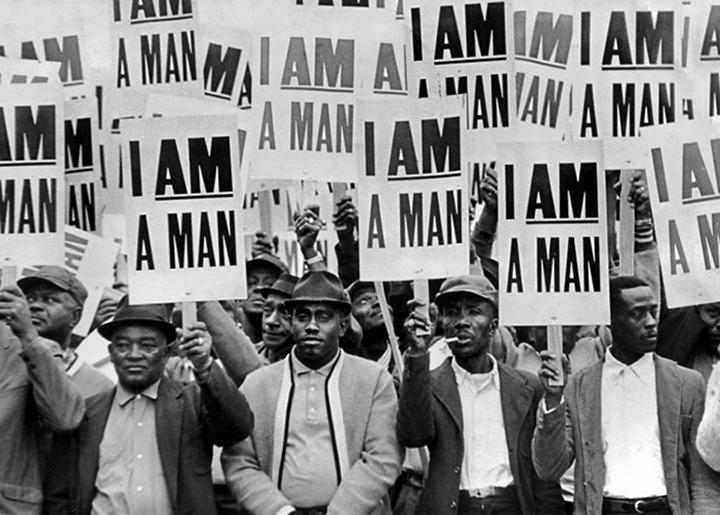
Brian Jones A strike for dignity and civil rights in Memphis Fifty years ago, African American sanitation workers in Memphis began a strike that is now remembered as Martin Luther King Jr.'s last struggle. February 12, 2018
Readers’ View Monuments aren’t just a “Southern problem” The legacy of slavery and the ongoing fact of racism aren’t confined to former slave states with Civil War monuments. October 2, 2017
Ronnie Almonte James Baldwin’s journey "Nothing can be changed until it is faced," wrote James Baldwin, and a new generation is learning from him about the challenges we face today. September 21, 2017
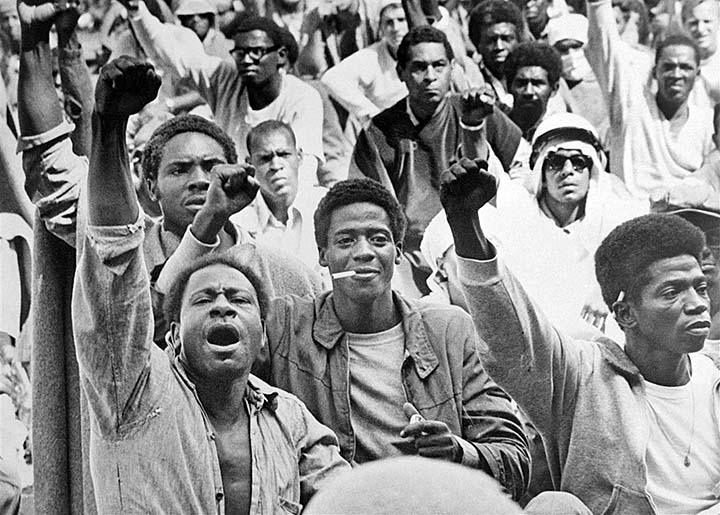
Luke Pickrell The fury of the oppressed at Attica In 1971, prisoners at Attica came together in a revolt against atrocious conditions and oppression felt inside and outside prison. September 8, 2017
Tyler Zimmer Tear down the Confederates’ symbols The flag of the Confederacy and monuments to its leaders lionize slavery. Taking them down is part of opposing a racist system. August 22, 2017
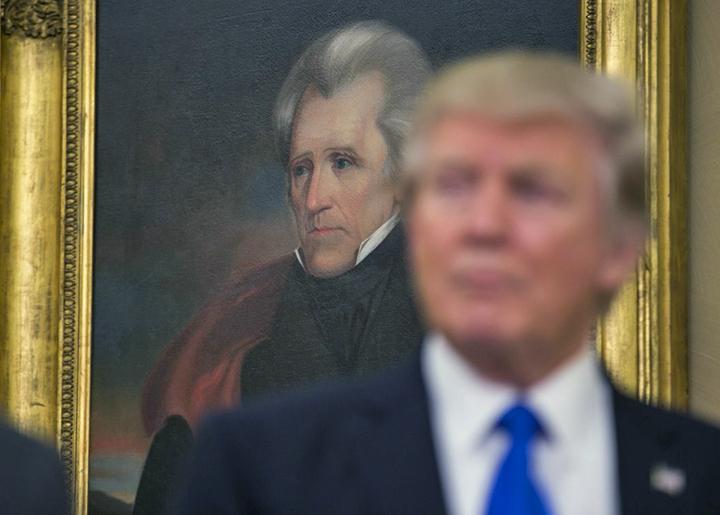
Steve Leigh Don’t glorify either war “hero” By equating George Washington and Robert E. Lee, Trump wants to whitewash racism, but that doesn't mean we revere Washington. August 21, 2017
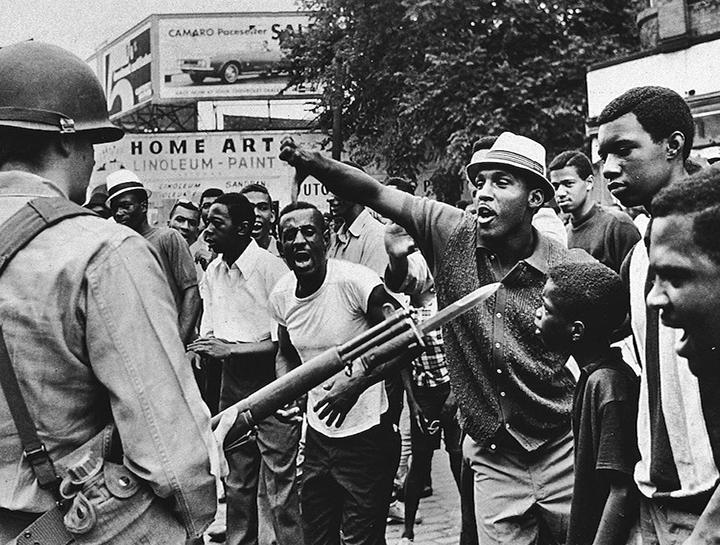
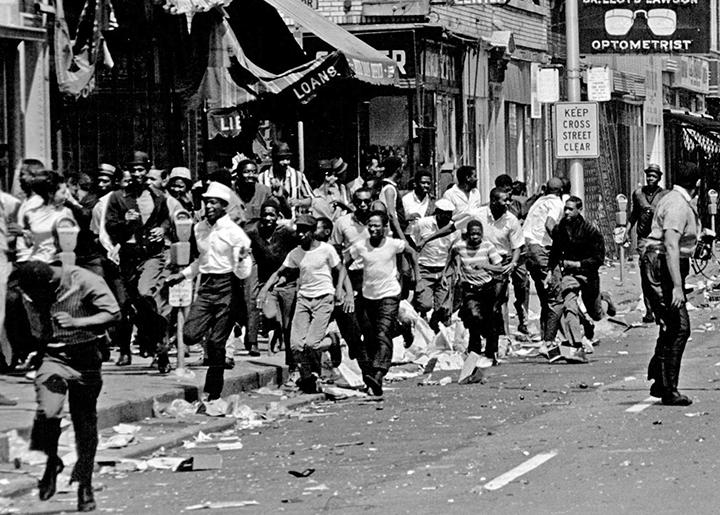
Interview: Dan Georgakas Detroit’s Great Rebellion of 1967 On the 50th anniversary of an urban revolt in the heart of American capitalism at the time, SW interviewed the co-author of Detroit: I Do Mind Dying. July 24, 2017
Brian Jones Dear Mr. Civil War Scholar-in-Chief Who knew Black history would become a theme of your presidency? For the second time, I am pole-axed by your comments about the subject. May 8, 2017
Brian Jones When King broke the silence on Vietnam Fifty years ago, the most prominent Black person in U.S. history defied all warnings and challenged capitalism, nationalism and the Vietnam War. April 4, 2017
Brian Jones Two amazing Americans! President Trump was right about Frederick Douglass--he has done an amazing job and is recognized for it everywhere he goes! February 9, 2017
Alan Maass Nothing can be changed until it is faced I Am Not Your Negro is a personalized history of the civil rights and Black Power era, through the words of James Baldwin. February 9, 2017