Statement Soldiers, take power into your own hands! This appeal from Russian socialists shortly after the February Revolution called on soldiers to side with the workers' councils. March 20, 2017
Statement For a general strike against autocracy One hundred years ago, Russian socialists called for an insurrectionary strike--on the day centuries of Tsarist rule finally ended. March 13, 2017
Alan Maass Marxism and democracy Socialists have always fought for the widest possible expansion of democracy and political rights as an essential part of the class struggle. March 10, 2017
Dan Swain Five days that ended an empire In the space of less than a week in 1917, workers in Russia overturned the old order and set the stage for a year of revolution. March 9, 2017
Robyn Karina She stood on the barricades Elisabeth Dmitrieff was a socialist and a fighter in the Paris Commune who sought to improve conditions for working women. March 7, 2017
Statement A day to prepare for conquering the enemy A leaflet issued by Russian socialists 100 years ago to honor Working Women's Day anticipated the revolution that began that day. March 6, 2017
Tyler James What do we mean by a “united front”? If revolutionary socialists are a minority among non-revolutionaries, on what terms should they seek united work in struggles? March 2, 2017
Jonathan Valenti When Russia had a YUGE revolution The anniversary of the Russian Revolution brings to mind the similarities between Tsar Nicholas II and a certain other dim tyrant. March 2, 2017
Paul Le Blanc Take all power into the hands of your soviets A historian of the Russian Revolution looks at how revolutionaries put their belief in workers' self-emancipation into practice. March 1, 2017
Statement For a provisional revolutionary government Weeks before the uprising against the Tsar, the Bolsheviks agitated for a one-day strike with the aim of advancing workers' power. February 15, 2017
Statement Only a provisional government can bring peace With the social crisis intensifying, Russian socialists from the Mensheviks called for a provisional government to replace the Tsar. February 6, 2017
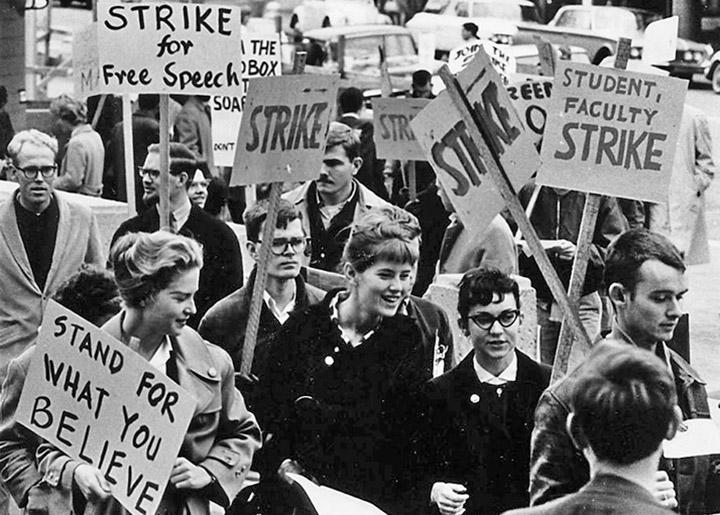
Leela Yellesetty Do protests matter? It's often difficult for ordinary people to imagine we can have an impact on how society is organized. Mass protests can aid our imaginations. February 2, 2017
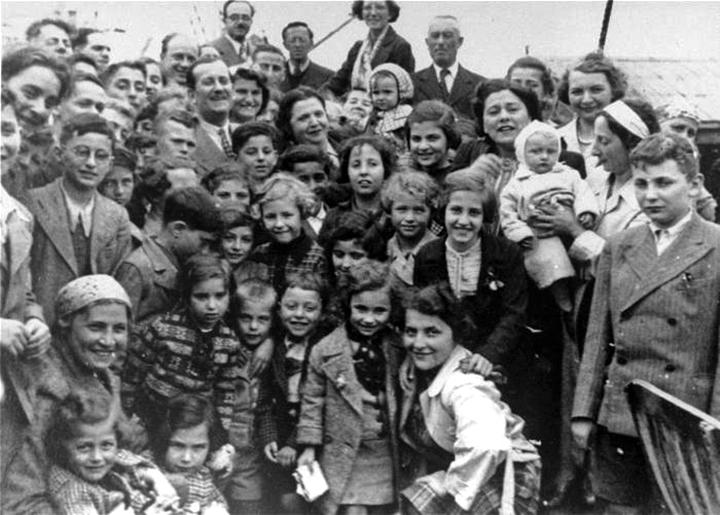
Annie Levin The American tradition of refusing refugees Donald Trump's ban on Muslim refugees is part of a shameful history that includes U.S. government policies to block European Jews fleeing the Nazis. January 31, 2017
Phil Gasper Are people naturally xenophobic? According to conventional wisdom, Donald Trump's xenophobia is a cruder form of a trait we all share because it's built into our human nature. January 24, 2017
Statement The day of the people’s wrath is near In a foreshock of the revolution to come, Russian socialists called for a protest strike on the anniversary of a previous uprising. January 24, 2017
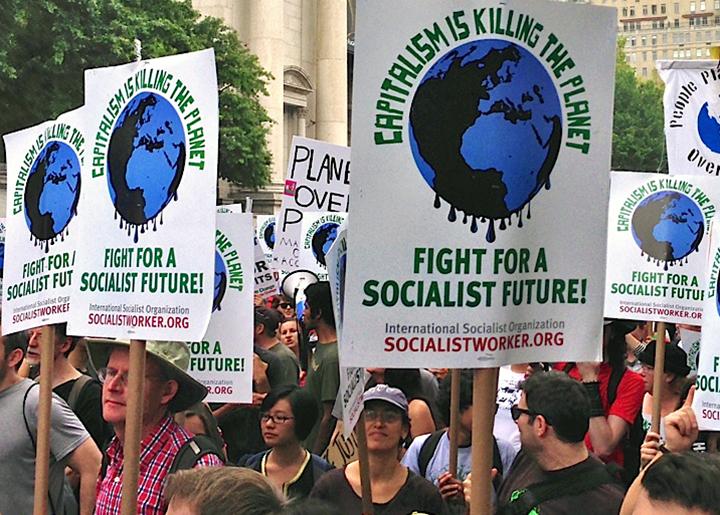
Todd Chretien Socialist organization in the time of Trump Thousands of people are asking whether it's time to join the socialists in order to resist Trump--and the system that gave rise to him in the first place. January 19, 2017
Alan Maass The myth of the leaders and the led Are people products of their society or shapers of it? Or both? The first installment of our "User's Guide to Marxism" provides some answers. January 12, 2017
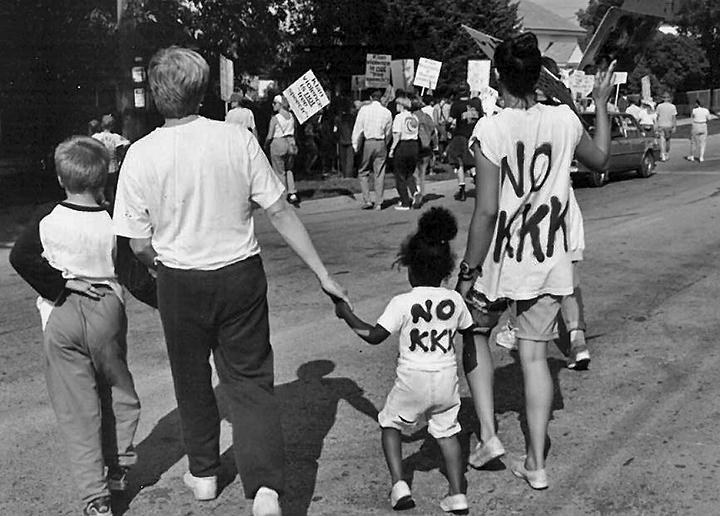
Leonard Klein What we did in Iowa to chase away the Klan The Midwest Network to Stop the Klan was an example of successful anti-racist organizing in the 1990s that holds lessons for today's left. December 7, 2016
Statement To the revolutionary students of Russia As the first installment in a series to mark 100 years since Russia 1917, we publish a leaflet from Bolshevik-influenced students. December 5, 2016
John Monroe Mixed up about the system Working people accept ideas perpetuated by class society at the same time as their lived experiences lead them to different answers. November 30, 2016