Joel Sronce When civil rights and labor struggles met at UNC Fifty years ago today, University of North Carolina food workers began a fight for a living wage and dignity that continues to this day. February 23, 2019
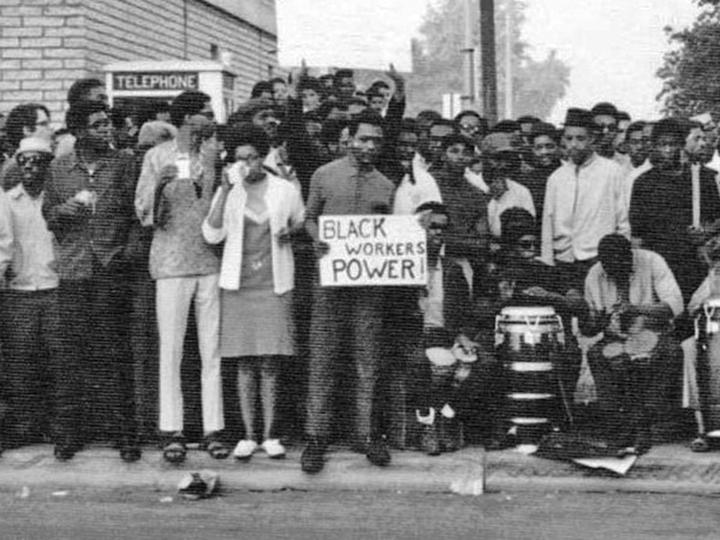
Khury Petersen-Smith DRUM and the revolt of the Black working class Fifty years ago, the Dodge Revolutionary Union Movement set an inspiring example of both workers’ resistance and Black Power. February 8, 2019
Ann Coleman The roots of affirmative action lie in the struggle Affirmative action policies are the product of struggles from below demanding measurable action to remedy a history of oppression. December 17, 2018
Interview: Jason Ferreira 1968: The strike at San Francisco State Fifty years ago, students at San Francisco State were fighting racism and repression during the longest student strike in U.S. history. December 13, 2018
Marc Pessin The picket line that it was right to cross On the anniversary of an infamous teachers strike against Black community control in New York, an ex-teacher tells his defiant story. November 21, 2018
Luke Pickrell The murder of a Soledad Brother Black Panther and revolutionary prisoner George Jackson continues to inspire nearly 50 years after his murder in prison. August 21, 2018
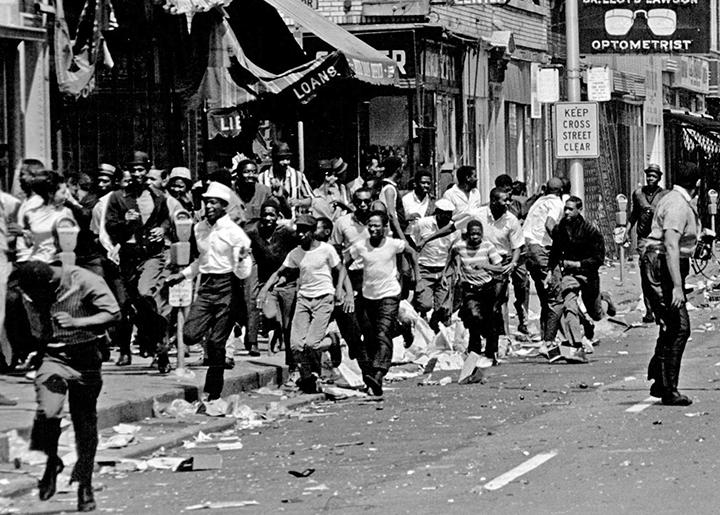
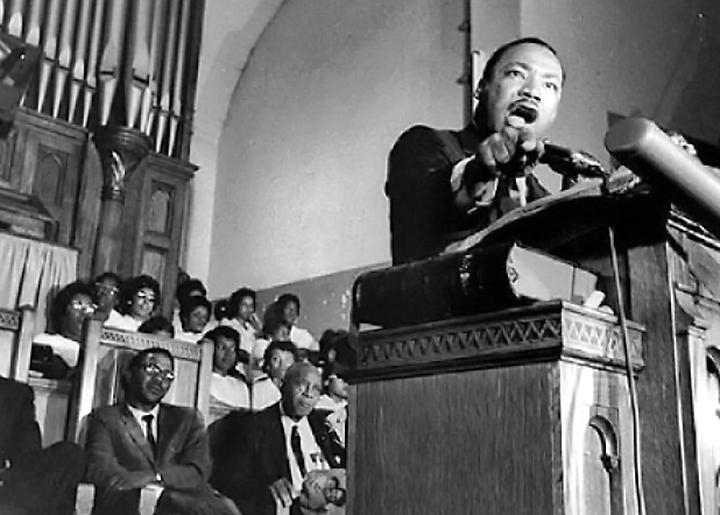
Khury Petersen-Smith 1968: When King’s murder set off the uprisings If the year 1968 marked a turning point for struggles worldwide, April 4 and the murder of Martin Luther King was a turning point within the year. April 4, 2018
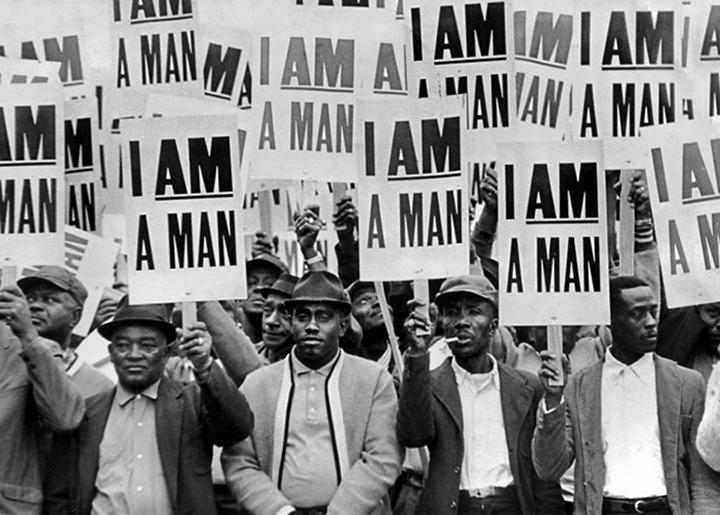
Brian Jones A strike for dignity and civil rights in Memphis Fifty years ago, African American sanitation workers in Memphis began a strike that is now remembered as Martin Luther King Jr.'s last struggle. February 12, 2018
Ronnie Almonte James Baldwin’s journey "Nothing can be changed until it is faced," wrote James Baldwin, and a new generation is learning from him about the challenges we face today. September 21, 2017
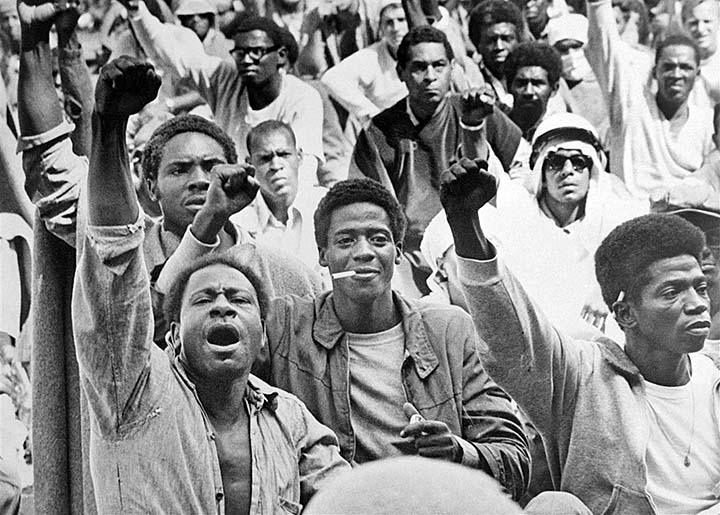
Luke Pickrell The fury of the oppressed at Attica In 1971, prisoners at Attica came together in a revolt against atrocious conditions and oppression felt inside and outside prison. September 8, 2017
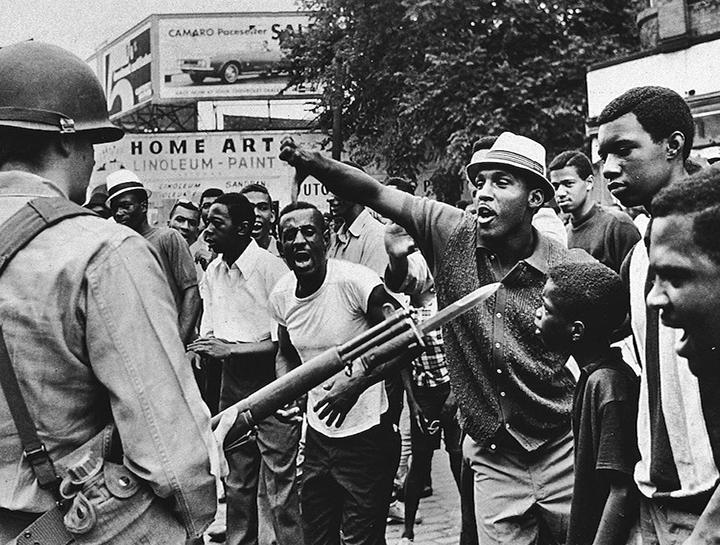
Interview: Dan Georgakas Detroit’s Great Rebellion of 1967 On the 50th anniversary of an urban revolt in the heart of American capitalism at the time, SW interviewed the co-author of Detroit: I Do Mind Dying. July 24, 2017
Brian Jones When King broke the silence on Vietnam Fifty years ago, the most prominent Black person in U.S. history defied all warnings and challenged capitalism, nationalism and the Vietnam War. April 4, 2017
Alan Maass Nothing can be changed until it is faced I Am Not Your Negro is a personalized history of the civil rights and Black Power era, through the words of James Baldwin. February 9, 2017
David Bliven and Alan Maass The revolutionary legacy of the Black Panthers Founded 50 years ago, the Panthers won a mass audience for revolutionary politics on a scale unrivaled in the U.S. since the 1930s. November 3, 2016
Keeanga-Yamahtta Taylor When King came up against Chicago racism Fifty years ago, Martin Luther King turned the attention of the civil rights struggle to the North--and endured hostility and hatred. August 15, 2016
Obituary: Grace Lee Boggs Changing the world from below Grace Lee Boggs' life was a monument to some of the most powerful social movements in the history of the struggle for justice. October 20, 2015
Alan Maass Rebellion in Watts Fifty years ago, the upsurge of protest, rioting and clashes with police in Los Angeles signaled a new phase in the Black freedom struggle. August 11, 2015
Interview: Emory Douglas We always had solidarity The Black Panther Party's former minister of culture describes how the Black Power struggle inspired others to organize. May 13, 2015
Lee Sustar A new world in the making There is a reason why Malcolm X's words and actions continue to resonate with radicals half a century after his death. March 2, 2015
Lee Sustar A worldwide rebellion of the oppressed In his last year, Malcolm X became a revolutionary internationalist who was developing ties to the socialist left. February 26, 2015