David McNally Should socialists want to keep the state? The Marxist critique of the state is again in disfavor in parts of the left, but going back to what Marx wrote clarifies the discussion. March 11, 2019
Alexandra Kollontai International Women’s Day A Russian revolutionary explains how a day of international solidarity with working women became the first day of the 1917 revolution. March 8, 2019
Ian Birchall Remembering Colin Barker A comrade of more than half a century pays tribute to Colin Barker and his contributions to the tradition of international socialism. February 15, 2019
Obituary: Colin Barker A teacher and student of revolution Colin was one of a kind — a brilliant and original academic who also remained an active revolutionary for almost all of his adult life. February 8, 2019
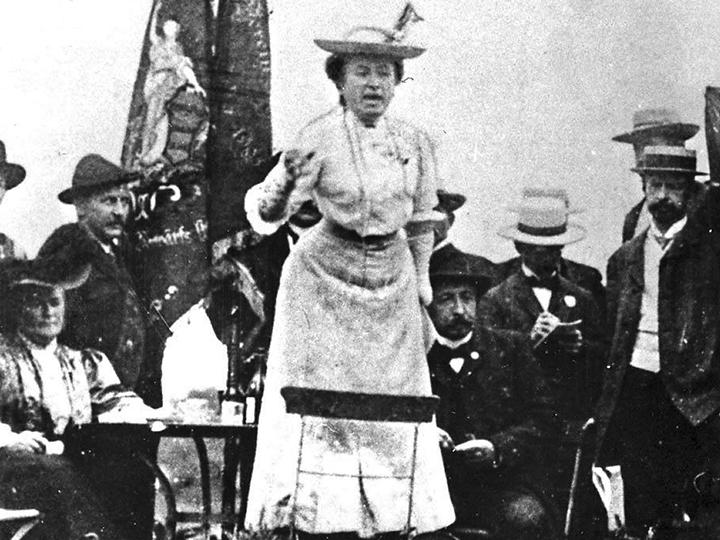
Paul Le Blanc Middle school students ask about Rosa Luxemburg Students doing a class project on the Polish-German socialist had a lot of questions, so they asked for some answers — and got them. February 1, 2019
Anthony Arnove How to misread Mike Davis A critical appraisal of Mike Davis’ Old Gods, New Enigmas in the Boston Review misunderstands the book and Davis’ work generally. January 23, 2019
Paul Le Blanc Rosa Luxemburg’s revolutionary socialism One of the greatest figures in the history of the socialist movement was murdered by a far-right death squad 100 years ago today. January 15, 2019
Pranav Jani What the Indian rebels taught Karl Marx Marx's writings on India were sometimes badly mistaken, but his focus on struggle eventually got him on the right track. May 9, 2018
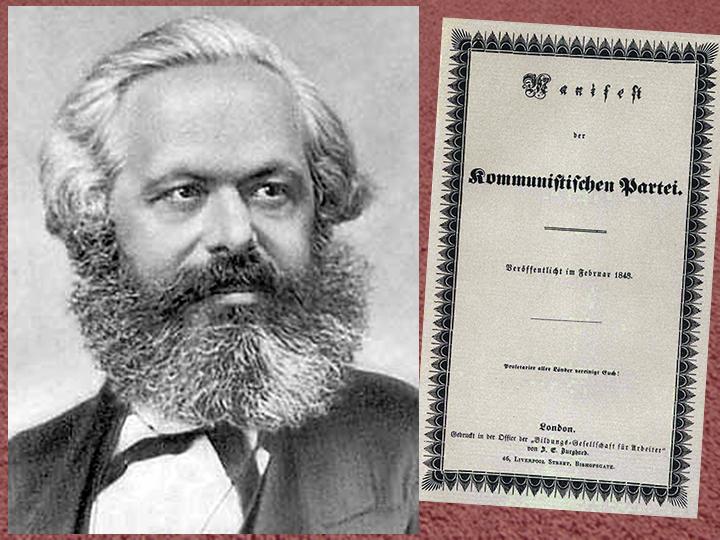
Todd Chretien How Marx became a Marxist in five easy steps ...And you can to! Here's an introduction to the theoretical leaps Karl Marx made on his way to developing a theory and vision that changed the world. May 4, 2018
Paul Buhle Uncovering a C.L.R. James treasure trove A republished collection of masterful essays by C.L.R. James will introduce a new generation to a giant of history and Marxism. March 19, 2018
Obituary: Bill Pelz An unflinching commitment to democracy The work of a long-time Chicago socialist reflected a commitment to illuminating our history and the fight for workers' democracy. February 13, 2018
Rob Hoveman Marxism and the meaning of materialism Historical materialism is the cornerstone of Karl Marx's theories and views--but how does this concept help us explain the world? February 12, 2018
Obituary: Joanne Landy Wholly dedicated to socialism from below The outpouring of love and comradeship for Joanne Landy shows the reach of her strong commitment to socialism and democracy. October 27, 2017
Hadas Thier Karl Marx and the case of the never-ending theft Karl Marx's Capital was first published 150 years ago this month--and its analysis and insight have only gained in power since. September 27, 2017
Sean Larson The rise and fall of the Second International On July 14, 1889, the Second International was born with the aim of uniting the workers of the world. What happened to that dream? July 18, 2017
Todd Chretien Which train goes to socialism? Jacobin's Bhaskar Sunkara proposes that the future of the left may lie with a return to Finland Station, circa 1917. But how are we going to get there? July 4, 2017
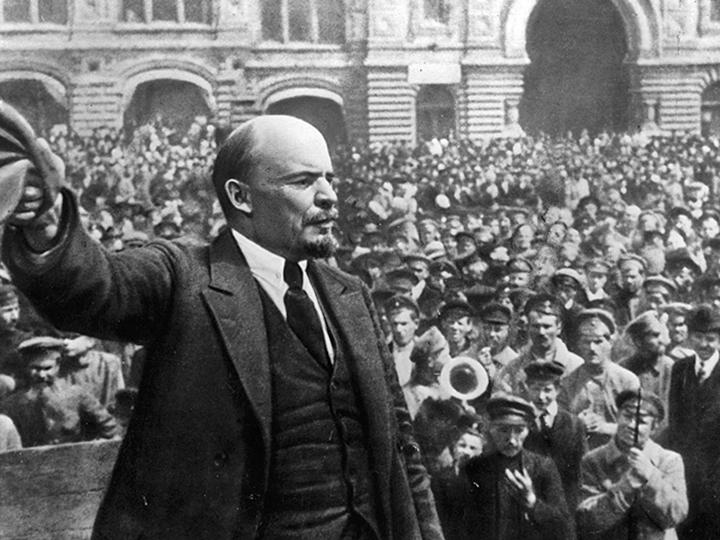
Paul Le Blanc How is Leninism relevant today? It remains a fact that socialists need to work together, as a democratic collective, to be effective in building a socialist movement. April 24, 2017
Eugene Debs In defense of the oppressed of all lands In 1910, the American socialist Eugene Debs wrote a letter chastising party members who failed to defend immigrant rights. April 6, 2017
Alan Maass and Todd Chretien The ISO and the soul of international socialism Among the different ways of understanding socialism and Marxism, the ISO stands in a tradition summarized by Hal Draper as "socialism from below." April 3, 2017
Readers’ View Applying Trotsky’s lessons today The discussion continues about what's valid and what's not in an essay by Leon Trotsky about imperialism and national liberation. November 9, 2016